Types of Coverage
Six Study Types,
Read by the Same Team
Many EEG reading services interpret adult studies only. TeleSpecialists reads the full range, so your program does not have to route studies to two or three different places. Select a study type for coverage detail.
Core Agreement
Routine EEG
When your team uses it. Scheduled or same-day studies for new spells, altered mental status, or a workup already in progress.
What comes back. A full interpretation in your EMR, written to the same standard your on-site colleagues use.
Core Agreement
STAT EEG
When your team uses it. Urgent studies where the treatment decision cannot wait for the next business day.
What comes back. Priority review through the Rapid Response Center, plus a direct phone call on any urgent finding.
Core Agreement
Long-Term EEG
When your team uses it. Studies running from twelve hours to several days, usually in the ICU or on the floor.
What comes back. Reviews at set intervals while the study is still recording, then a full final interpretation.
Core Agreement
Ambulatory EEG
When your team uses it. Home monitoring after discharge, or outpatient studies that keep the workup moving.
What comes back. The same level of analysis as an inpatient study, so the workup continues without interruption after discharge.
Contracted Separately
Point-of-Care EEG
When your team uses it. Rapid bedside EEG when there is concern for seizure and no technologist is available.
What comes back. Physician confirmation of what the device is showing, usually inside the same hour.
Contracted Separately
Pediatric and Neonatal EEG
When your team uses it. Children, infants, and preterm newborns, including studies from the NICU.
What comes back. Age-specific interpretation from readers with pediatric fellowship training.
Four study types are covered by the core TeleEEG agreement. The remaining two are contracted separately, so a hospital adds them only by signing for them.
Turnaround Your Team Can Schedule Around
A turnaround time only matters if your team can plan around it. These figures hold overnight and on weekends because reading is the only responsibility these physicians carry during a shift.
Coverage assessment
Which Study Types Are You Covered For
The EEG Coverage Assessment returns a written summary of which study types your program can read in house and which ones currently route elsewhere.
Start the assessmentUses volumes your team already tracks.
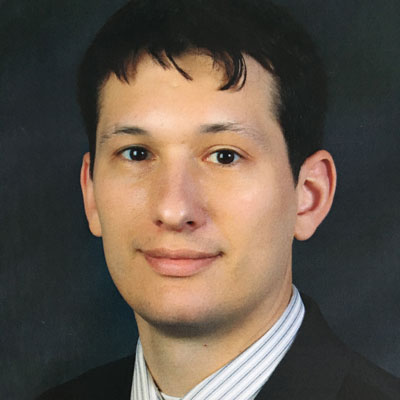
I am reading thirty to thirty-five studies a day, mixed between routine, STAT, ambulatory, and long term studies.
William Dotson, MDEEG Service Line DirectorQuestions About Study Types
Can TeleSpecialists read studies from the EEG equipment we already own?
Yes, in most cases. TeleSpecialists physicians read from your existing EEG system rather than a new platform. Setup means credentialing our physicians and granting access to your EEG database and EMR. No new hardware is required for standard studies.
What happens if the EEG shows a seizure?
The reader calls your treating team directly. The call does not wait for the written report. The reader shares what the study shows and offers treatment recommendations, including medication guidance. The full interpretation still posts in your EMR.
Are long-term studies reviewed while the study is still recording?
Yes. Long-term studies are reviewed at set intervals during the recording, not only at the end. That means treatment can change as the study changes, rather than waiting for a final report days later.
Find the Gaps in Your EEG Coverage
The EEG Coverage Assessment compares your current coverage against a round-the-clock baseline, using volumes your team already tracks. You get a written summary of where the gaps sit and which study types drive them.
Or speak with the EEG service line team about your program directly. Start the conversation.