
Between 2022 and 2025, Hendry Regional Medical Center grew from zero documented stroke admissions to sixty. Door-to-needle time dropped from a median of 63 minutes to 44 minutes. The hospital’s GWTG-Stroke Rural Overall Composite Score moved from 74.9 percent to 95.1 percent. In 2023, the facility earned its Acute Stroke Ready certification.
Those numbers were presented by Tracy Victory, MSN, RN, and Bernardo Kruszel, MD at the American Heart Association National Conference, 2026, sourced from the GWTG-Stroke Registry. They are specific, verified, and attributed.
This post is about what produced them.
HRMC TELESTROKE OUTCOMES AT A GLANCE
Stroke Admissions: 0 to 60 2022 to 2025
Door-to-Needle Time: 63 min to 44 min 30% reduction, 2023 to 2025
GWTG-Stroke Composite: 74.9% to 95.1% Rural Overall Composite Score, 2023 to 2025
DTN Reduction: 41% Following EMS pre-notification, stroke kits, and protocol training
Certification: Acute Stroke Ready Earned 2023
Source: Tracy Victory, MSN, RN, and Bernardo Kruszel, MD. American Heart Association National Conference, 2026. GWTG-Stroke Registry.
What a 25-Bed Critical Access Hospital in Central Florida Needed
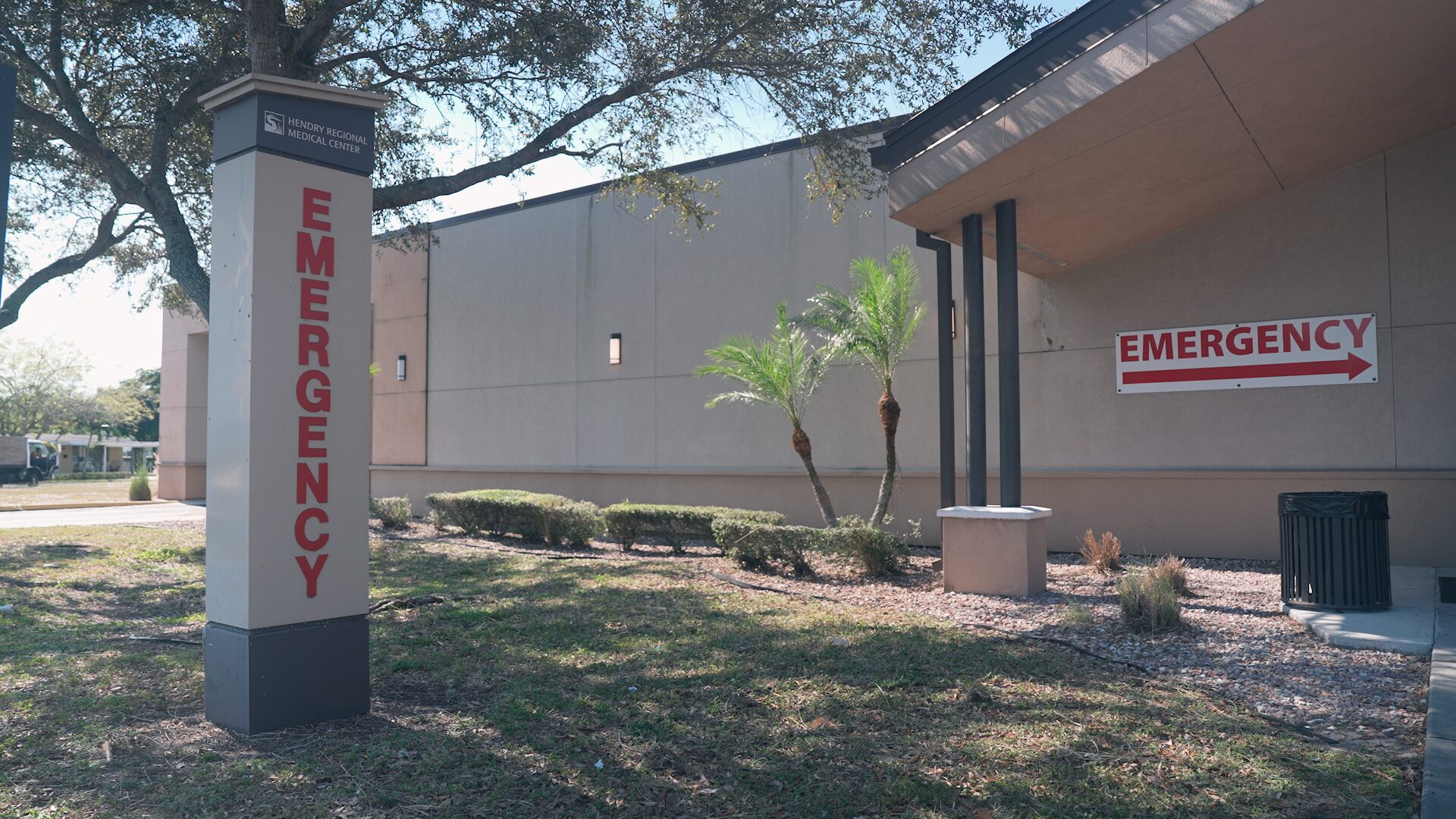
Hendry Regional Medical Center is a 25-bed critical access hospital in Clewiston, Florida. The community it serves is largely a rural, farming community without on-site neurological coverage, and with a patient population that had historically transferred for stroke care rather than receiving it locally.
The hospital’s clinical team wanted something specific: to keep stroke patients in their community, near their families, and receiving the same standard of care available at a comprehensive stroke center. That goal required a neurologist available at every alert, with the clinical judgment to make acute treatment decisions remotely in real time.
That is what a TeleSpecialists vascular neurologist provides on every consult. Not a nurse practitioner triaging before escalation. Not a general internist holding until a specialist can be reached. A board-certified stroke neurologist, on screen within the response window the model is built to meet, conducting the assessment and driving the treatment decision.
What the Neurologist on the Other End of That Consult Accomplished
The GWTG-Stroke composite score measures adherence to a defined set of evidence-based stroke care standards, including antithrombotic therapy at discharge, anticoagulation for atrial fibrillation, thrombolytic therapy when indicated, early ambulation, and smoking cessation counseling. Moving that composite from 74.9 percent to 95.1 percent across a patient population is not an administrative achievement. It is a clinical one.
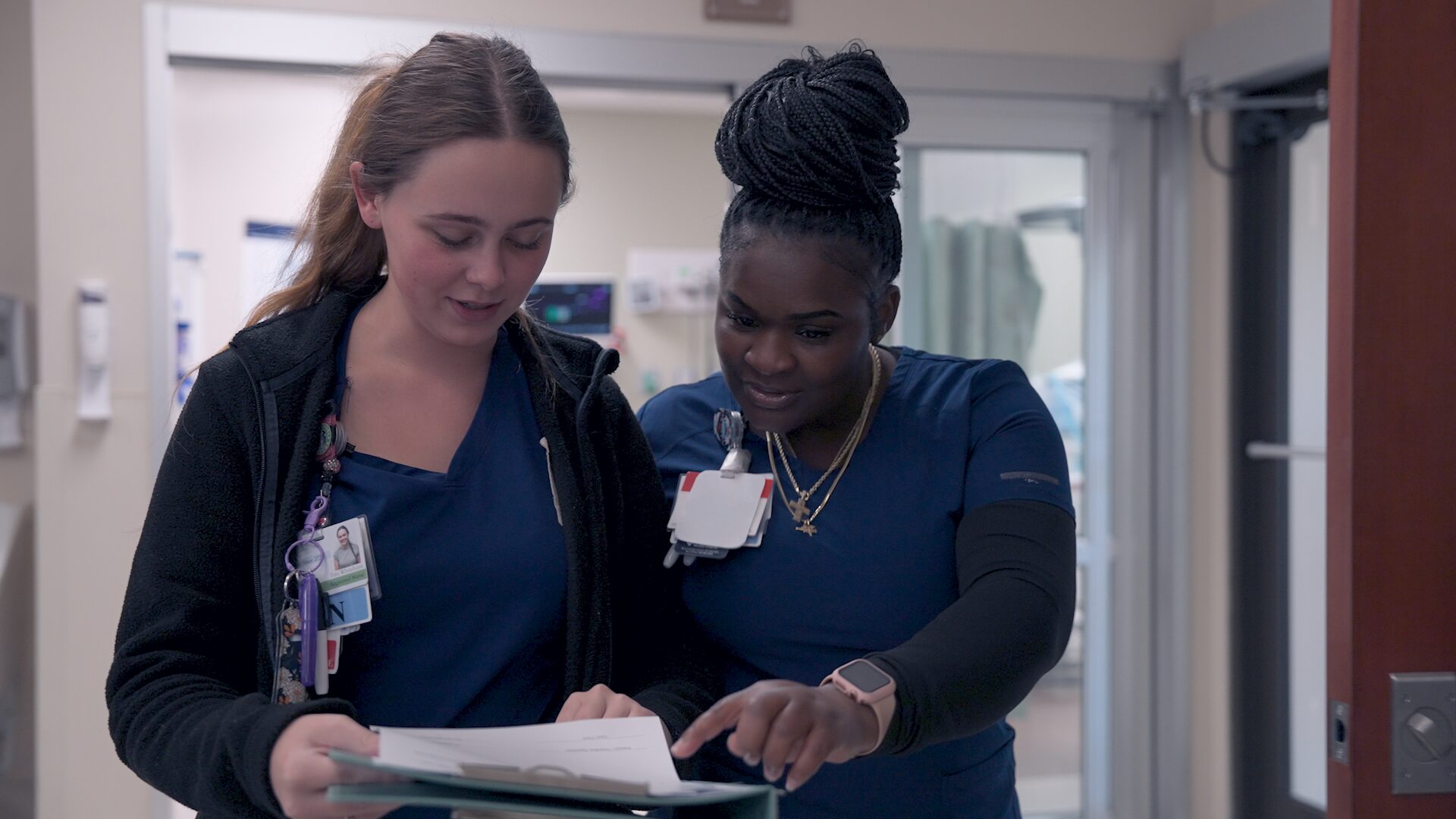
Each of those sixty stroke admissions involved a consult. Each consult involved a vascular neurologist making a real-time assessment, interpreting imaging findings, determining treatment eligibility, documenting in the EMR, and communicating the clinical decision to the ED team. The quality metrics that moved at HRMC are a direct reflection of the consistency and rigor of that clinical work across every single alert.
A GWTG composite score does not improve by twenty points because a protocol was updated. It improves because a specialist was present, engaged, and making guideline-concordant decisions on every case.
The 41 percent door-to-needle reduction involved more than response speed. It required EMS pre-notification protocols, stroke kit implementation, and staff training coordinated through TeleSpecialists’ quality program infrastructure. The neurologist on the consult is the clinical anchor. The quality program built around that relationship is what translates the consult into a measurable program outcome.
TeleSpecialists stroke specialists connect within the response window the consult model is built to meet, documented across every patient in the partner network. The guideline expectation is that the specialist is available, engaged, and able to make the treatment decision without delay. The practice model is designed to deliver exactly that.
How Rural Facilities Experience This Work
Hendry Regional is not an outlier. The pattern it represents, a small rural hospital with a committed clinical team, a desire to keep patients local, and outcomes that improve measurably with consistent specialist access, is consistent across TeleSpecialists’ partner network.
Jennifer Burwell, Stroke Program Manager at CHRISTUS Mother Frances in Tyler, Texas, describes what digital healthcare-enabled stroke care looks like from the hospital team’s perspective: what changes in the clinical environment when a specialist is consistently available, and what it means for patients in communities that would otherwise transfer.
The pattern Jennifer Burwell describes at CHRISTUS Mother Frances mirrors what HRMC documented. Consistent specialist access changes what a rural facility can offer. It changes what the clinical team is capable of measuring. And it changes what the neurologist on the other end of the consult is able to accomplish across a patient population rather than in a single alert.
What This Means for a Vascular Neurologist Evaluating a Practice
The question a stroke neurologist asks at this stage is not whether TeleSpecialists delivers outcomes for hospitals. The HRMC data answers that. The question is whether the clinical work is substantive enough to sustain a full-time practice and whether a physician who trained in vascular neurology will find the case volume, quality standards, and clinical environment worth the transition.
TeleSpecialists physicians practice within a physician-owned organization. The coverage model is one patient at a time. The quality infrastructure includes dedicated Quality Program Specialists, documented composite score tracking, and an EMS integration framework that operates as a clinical extension of the consult, not separately from it. The 400-plus hospitals in the partner network represent a case volume that no single hospital-based position can replicate.
More than 1.5 million patient consultations delivered since 2014. The clinical depth is not theoretical.
The full HRMC case study is linked below and worth reading as a companion to this post. It tells the same story from the hospital’s perspective. This post tells it from the neurologist’s.
Read the HRMC case study: https://tstelemed.com/hendry-regional-telestroke-case-study/
Explore TeleStroke physician careers: https://tstelemed.com/stroke-neurology-careers
Frequently Asked Questions
What did TeleSpecialists physicians accomplish at Hendry Regional Medical Center?
TeleSpecialists vascular neurologists provided consistent remote stroke consults at Hendry Regional Medical Center, a 25-bed critical access hospital in Central Florida, contributing to a 41 percent door-to-needle time reduction, a GWTG-Stroke Rural Overall Composite Score improvement from 74.9 percent to 95.1 percent, and growth from zero to sixty documented stroke admissions between 2022 and 2025. These outcomes were presented by Tracy Victory, MSN, RN, and Bernardo Kruszel, MD at the American Heart Association National Conference, 2026.
What is a GWTG-Stroke composite score and why does it matter for stroke neurologists?
The GWTG-Stroke (Get With The Guidelines-Stroke) composite score measures a stroke program’s adherence to evidence-based care standards, including thrombolytic use when indicated, antithrombotic therapy at discharge, anticoagulation for atrial fibrillation, and smoking cessation counseling. It is the primary publicly reported benchmark for stroke program quality and a direct measure of whether a neurologist’s clinical decisions are guideline-concordant. A composite score improvement from 74.9 to 95.1 percent reflects consistent, high-quality specialist decision-making across all documented cases.
Does TeleSpecialists offer a one-patient-at-a-time consult model?
Yes. TeleSpecialists operates a one-patient-at-a-time protocol for acute stroke consults. The responding neurologist handles a single alert without simultaneous coverage demands. This protocol was designed by TeleSpecialists physicians to ensure that the treatment decision for an acute stroke patient receives full clinical attention.
What is the clinical case volume for a TeleSpecialists stroke neurologist?
TeleSpecialists has delivered more than 1.5 million patient consultations across emergency, inpatient, and outpatient settings since 2014, serving more than 400 partner hospitals across 32 states. Individual physician volume varies by schedule and coverage assignment. The network depth ensures meaningful case exposure across diverse hospital types, including critical access facilities, community hospitals, and larger health systems.
What is the difference between the HRMC blog post and the HRMC case study?
The HRMC TeleStroke case study (available at https://tstelemed.com/hendry-regional-telestroke-case-study/) tells the outcome story from the hospital’s perspective: what the facility needed, what was implemented, and what changed. This blog post tells the same story from the neurologist’s perspective: what clinical work produced those outcomes, what each consult required, and what the quality metrics reflect about the consistency of specialist engagement. Both are worth reading.